
Stator AFM
Portfolio Management Software


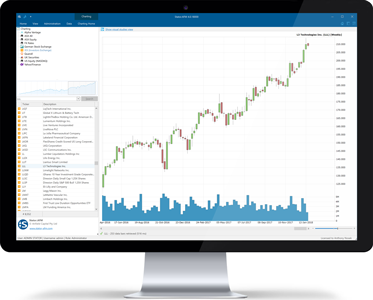
"A Swiss army knife for traders and investors!"
Stator is feature-rich, comprehensive portfolio management software for Windows. Used internationally and trusted by traders, investors, hedge fund managers, self-managed superannuation administrators, speculators, accountants and anyone wanting an edge in today’s financial markets.

Manage Multiple Estates
Manage trading activity for companies, trusts, individuals and more.

Trade in Multiple Currencies
Over 50+ currencies, reconciled back to a base (Estate) currency.

Advanced Trading Instruments
Shares, CFD’s, Futures, Index, Foreign Exchange, Options and more.

Performance Tracking
Charts, statistics and reports give you complete visibility and control.

Group Your Investments
Track the overall portfolio as well as sub-portfolios and individual strategies.

Extend Functionality with Scripts
Extend functionality with the Python programming language.

Plugins Connect to any Data Source
Connect Stator to any source of price or trade data via plugins.

Visualise Your Performance
Gain greater insight via advanced visualisations of your data.